

Excellent personal trainer near me: Our North London personal training studio in Hampstead specialises in crafting true life-changing results for our clients. We take a no-fluff approach—no gimmicks or cookie-cutter diets. Our methodology works and we have the results to show for it. Designed to generate our in-person results but from anywhere in the world. Online personal trainining is for you, if you are: ready to optimise your performance; want to build a physique you can be truly proud of; build nutrition habits that last a lifetime. We help optimise your performance at elite level. Lose 5 kg in your first month, Build a strong body that has you perform at your best, You will be held accountable with personalised targets and private check ins and we’ll teach you all you need to know about training and nutrition so you can make smarter choices for the rest of your life. Discover additional info at online personal trainer.
View sunlight by going outside within 30-60 minutes of waking. This will set your circadian rhythm for the day. If you wake up before the sun is out and you want to be awake, turn on artificial lights and then go outside once the sun rises. Along with this, make sure you go to sleep and wake up at the same time every day. This will make sure you set your circadian rhythm in stone. If you can, even on weekends. Try not to view any blue light from screens an hour before bed. If this isn’t possible, try using blue light-blocking glasses. N.B. If you wake up during the night to go to the toilet, as long as you’re back asleep within 20 minutes, it will not affect your sleep cycle.
Eat your protein first – Start all your meals with a source of lean protein such as chicken, white fish or turkey. These are low calorie sources of food that are very filling. Also, hitting your protein target will help you keep/build muscle while in a calorie deficit. This will also prevent you from over-eating at each meal from fats and carbs. Eat your veggies with each meal – Eat plenty of non starchy vegetables such as broccoli, asparagus and spinach. These are full of micronutrients and reduce your risk of cancer. They are packed with fibre and this stabilises your blood sugar, keeping you full.
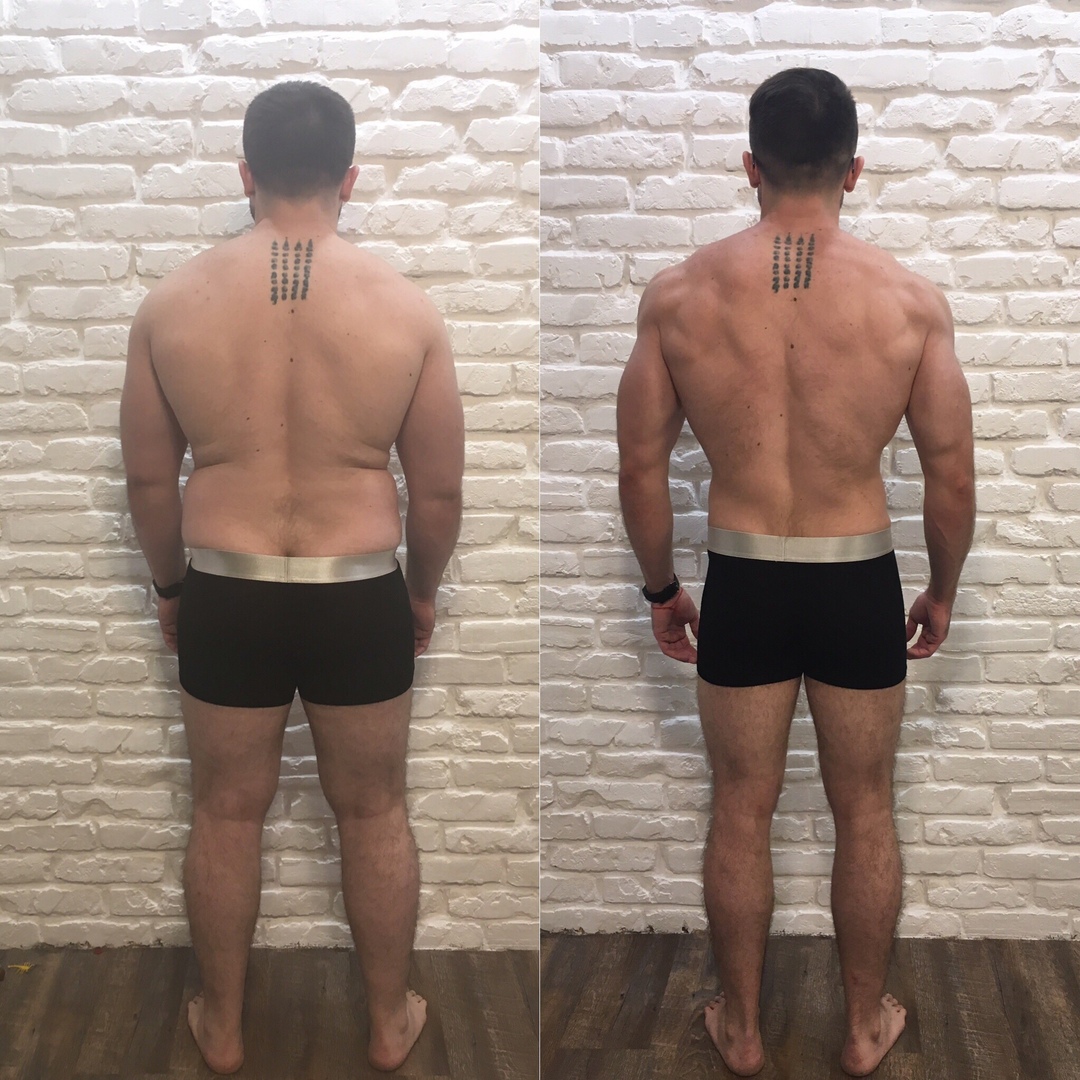
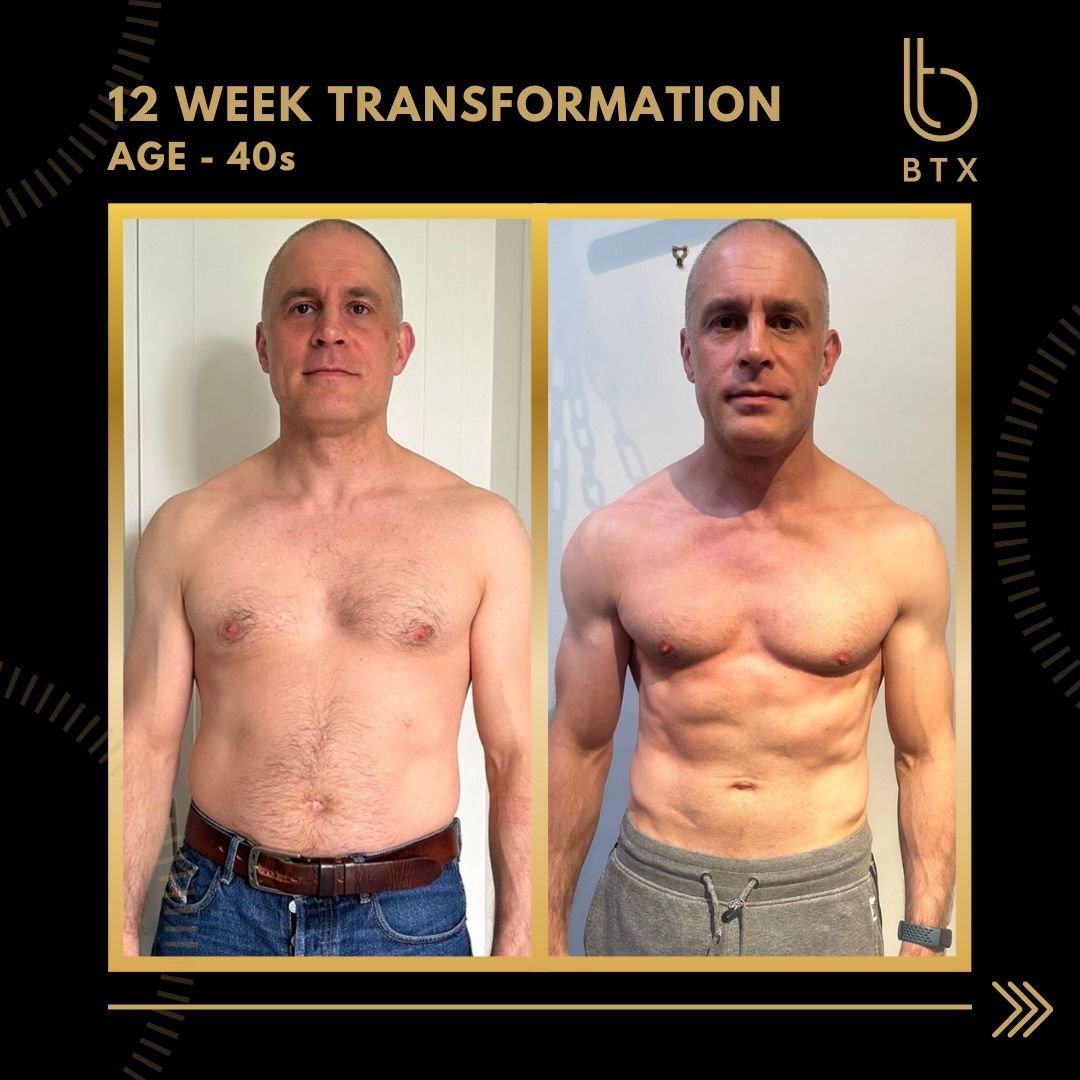
Personal trainer Hampstead 2024: We are a results-driven personal training studio in North London specialising in body transformations. From weight loss to muscle gain and an overall improvement in health, here are some of the before and after photos from men and women who achieved outstanding results through BTX 1-1 personal training sessions at our private gym in Hampstead and online coaching. James Cooper is a qualified Clinical Nutritionist with a degree from King’s College London. He has a deep understanding of nutrition and supplementation for maximum performance. He is referred to as the “model trainer” in Muscle and Fitness magazine and has become the go-to person for celebrities in need of shaping up for special events or photoshoots. His long list of clients includes TV personality Calum Best, Busted band member Matt Willis, models Rick Hall and Chris Percival. An athlete himself, James has competed in European and British Powerlifting finals and has a 3rd dan black belt in Brazilian Jiu Jitsu, receiving this rank from 10x world champion Roger Gracie. His intrinsic understanding of strength and conditioning has allowed James to specialise in training both high-level athletes, as well as top investment bankers, Lawyers and CEOs. James has them performing at the highest level inside and outside the gym. Discover extra info at bodytransformationlondon.com.
Most people today consume too many omega-6s vs omega-3s. Studies show that this can increase inflammation and may play a role in the increasing risk of certain chronic conditions, such as heart disease. I prefer to eat wild salmon instead of farmed, as farmed contains a much higher ratio of Omega 6 fats. Farmed salmon has also more heavy metal contaminants such as mercury and cadmium, but it still contains very little when compared with other fish such as Tuna. If you’re having farmed salmon twice a week, the heavy metals will not cause any harm to your health, and it contains enough Omega-3 to increase DHA blood levels by 50%. If you have the budget, then have wild salmon twice a week. If not, having farmed salmon will still drastically improve your health.
Switching it up – This is the most common mistake I see everyone make, and a lot of personal trainers too! You need to stick to the same sessions for a significant amount of time to get fitter. If you keep switching sessions you never know whether you’re improving or not. Which quite often is deliberate so you can hide away from being held accountable to your times. Stick to one machine – When starting your cardio stick to one piece of equipment. Rower, assault bike or ski erg and if you’re lighter and can run properly.